

Event Has Passed - See You Next Time!
Event Details
Date
to
Location
Gràcia neighborhood, Barcelona, Spain
Barcelona, Spain
Price
Free Entry
About This Event
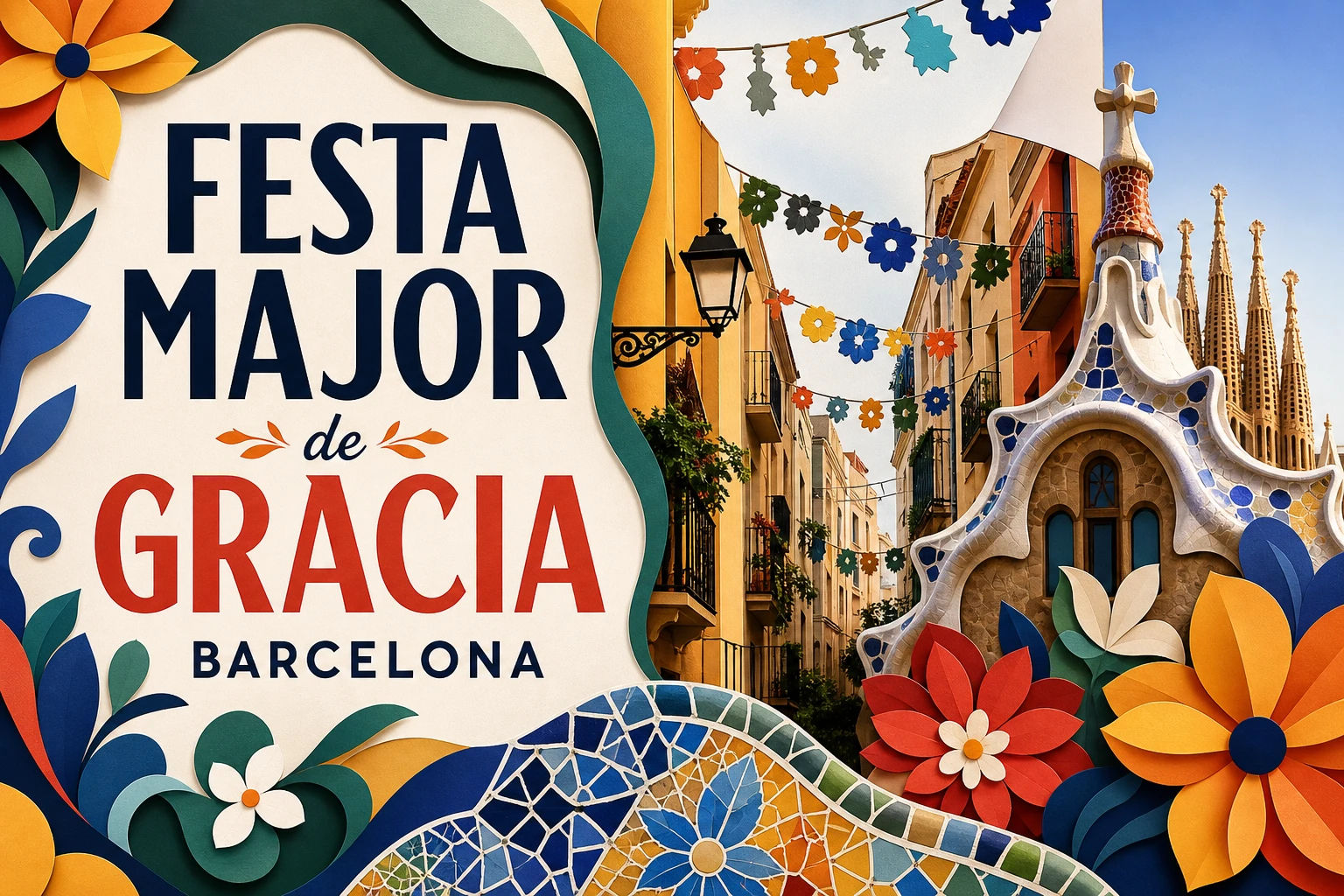
When August arrives in the capital of Catalonia, a wave of creative energy sweeps across the sun-drenched coastal landscape. The intense heat of the Mediterranean summer transitions into a lively series of neighborhood block parties, but none can match the sheer scale, artistic brilliance, and local pride of the city's premier summer landmark. The upcoming Festa Major de Gràcia 2026 Barcelona is officially scheduled to transform the streets from Tuesday, August 15, 2026, to Monday, August 21, 2026.
For seven unforgettable days, this iconic bohemian district sheds its ordinary urban facade to become a completely unrecognizable wonderland of color, light, and sound. Rather than relying on commercial event companies, the entire festival is designed, built, and funded by local residents who spend months working in hidden workshops to bring their imaginations to life. Winding through the narrow, pedestrian-friendly lanes of the neighborhood reveals a beautiful celebration of community identity. From massive, hand-painted paper mache structures dangling overhead to thrilling traditional fire runs, the entire city unites to experience this joyful expression of open-minded culture.
A Village Festival in a Megacity: The History of the Festa Major de Gràcia 2026 Barcelona
To fully understand the deep-rooted spirit of the celebration, it helps to look back at how this bohemian enclave evolved. Gràcia was not always an integrated quarter of the grand metropolis:
- The Independent Town: For most of the 19th century, Gràcia existed as an independent agricultural and textile village separated from the old walled city of Barcelona by open country plains.
- The 1897 Annexation: While the rapid expansion of the Eixample district physically connected the two areas, leading to official annexation in 1897, the local community retained its distinct, tight-knit village identity.
- The Festival Origins: The earliest recorded iterations of the festival trace back to 1817, initially organized as a civic celebration to mark the return of a local religious icon to a nearby convent.
- Shifting to the Assumption: Over decades, the dates shifted to center around August 15, the Feast of the Assumption of Mary, blending traditional holiday customs with lively summer dances, neighborhood meals, and creative competitions.
- A Survival Story: During the dark eras of political censorship in the 20th century, the festival functioned as a quiet, resilient act of cultural preservation, keeping the Catalan language and traditional folk dances alive within hidden courtyards.
Today, the modern festival acts as a proud bridge between old-world village charm and the cosmopolitan vitality of 21st-century Catalonia.
Transforming the Urban Landscape: The Magic of the Decorated Streets Contest
The undisputed centerpiece and main visual draw of the Festa Major de Sants and Gràcia loops is the spectacular Carrers Guarnits (Decorated Streets) competition. Every year, roughly 20 to 23 individual streets and public squares within the district participate in a friendly but highly competitive race to completely re-imagine their blocks under a specific creative theme.
The defining characteristic of this competition is an absolute reliance on sustainable, recycled everyday materials. Local neighborhood committees collect items for months ahead of time, transforming ordinary household waste into jaw-dropping public art installations.
When you stroll through the district, you will encounter multiple artistic wonders:
- Massive canopies woven from thousands of clear plastic bottles, turned into shimmering underwater coral reefs or bioluminescent alien jungles that block out the summer sun.
- Towering entrance portals sculpted from discarded cardboard boxes and newspapers, transporting visitors into a medieval Viking village, a retro arcade game, or scenes from classic literary novels like Don Quixote.
- Intricate paper mache figures of mythical dragons, forest fairies, and historical personalities hanging down from balconies, designed with delicate precision.
- The adjacent balcony decoration contest, where individual apartment owners who cannot participate in the main street build enter their own personal terraces into a race for the most beautiful floral or structural arrangements.
To avoid extreme crowding, the official panel of cultural judges evaluates the entries early in the week, hosting a highly anticipated public awards ceremony in the central square to crown the grand champion of the season.
Catalan Folklore in Action: Can't-Miss Cultural Events and Parades
While the stunning visual decorations turn the neighborhood into an open-air art gallery, the true soul of the festival comes alive through high-energy public pageantry. Sants and Gràcia festivals serve as the premier stage for observing ancient Catalan folk traditions up close on the historic stones.
Reaching for the Sky with the Castellers Human Towers
The construction of Castells represents one of the most emotional, breathtaking displays of human unity and physical engineering found anywhere in the world. Elite teams of hundreds of individuals, known as colles castelleres, gather in the historic squares to build massive human structures reaching up to eight or nine tiers high.
The process requires absolute trust, precise timing, and flawless collective coordination:
- The Pinya: A dense, tightly packed base layer composed of hundreds of strong men and women provides the solid foundation to support the vertical weight and absorb falls safely.
- The Troncs: Lean, agile climbers quickly scramble up the backs of their teammates to construct the upper vertical tiers of the tower, layer by layer.
- The Pom de Dalt: The emotional climax occurs when the anxaneta, a brave young child wearing a protective helmet, climbs to the absolute summit of the tower, raises one hand with four fingers extended, and immediately slides back down.
Sparks and Drums at the Thrilling Correfoc Fire Run
As darkness settles over the historic quarters on the final night of the festival, the atmosphere takes a dramatic, high-adrenaline turn with the arrival of the Correfoc. This event turns the stone streets into a fiery arena.
Local groups dress up as elaborate, terrifying devils and demons, carrying long metal pitchforks packed with spinning fireworks. Accompanied by massive, smoke-breathing papier-mâché dragons and beasts, they dance through the streets to the primal, synchronized beating of traditional drums.
Spectators who want to join the front lines must follow a few practical safety rules:
- Wear old clothing crafted entirely from thick, protective natural fibers like cotton or denim; avoid synthetic materials like nylon that melt easily under heat.
- Bring a wide-brimmed hat, protective glasses, and a cotton scarf to shield your face and neck from floating sparks.
- Keep a safe distance if you are traveling with young children, or check out the specialized correfoc infantil (children's fire run) held earlier in the afternoon, which features gentler sparklers and a relaxed pace.
Meeting the Giants during the Cercavila Parade
For an experience that delights visitors of all generations, the grand Cercavila de Cultura Popular features a whimsical parade of the Gegants (Giants) and Capgrossos (Big Heads). These monumental figures, standing over four meters tall, represent historic kings, queens, legendary nobles, and symbolic local animals.
The giants are masterfully spun, waltzed, and danced through the streets by skilled handlers hidden beneath their grand skirts, accompanied by the acoustic sounds of traditional folk flutes (gralles) and marching drums. It is a beautiful procession that reveals the classic storytelling roots of the Catalan community.
A Soundscape for the Barrio: Open-Air Concerts and the Music Squares
The festival is proudly a multi-genre musical powerhouse, transforming ordinary public squares into vibrant, free open-air concert venues after dark. Dozens of custom-built performance stages are scattered across the neighborhood, each specializing in a distinct musical identity to cater to diverse tastes.
Wandering through the squares allows music lovers to experience a rich variety of sounds:
- Plaça del Sol: Historically celebrated as the premier acoustic hub of the festival, this wide square fills with the high-energy rhythms of traditional Catalan rumba, independent singer-songwriters, and energetic folk ensembles.
- Plaça del Diamant: A fantastic destination for vintage dance lovers, dedicating its stage schedule to classic swing music, big band jazz, and interactive group dance workshops.
- Festigàbal at La Sedeta: For those seeking cutting-edge modern sounds, this independent music festival track takes over the nearby Sedeta gardens, highlighting top-tier alternative indie rock bands, underground electronic producers, and global hip-hop acts.
- Window Hospitality: Adding to the local charm, neighborhood residents frequently sell home-made sangria, ice-cold beer, and fresh mojitos straight from their ground-floor apartment windows to passing revellers dancing to the music.
Exploring the Crafts, Shelters, and Amusement Fairs
Beyond the immediate music stages and decorated paths, the festival offers an array of daytime cultural activities designed to engage curious minds and history buffs:
- The Plaça de la Virreina Craft Fair: Winding through this elegant square, a beautifully curated artisan marketplace features rows of independent stalls selling handmade jewelry, vintage leather goods, local artwork, and custom ceramics.
- Air-Raid Shelter History Trails: For a fascinating look into the resilience of local citizens during the Spanish Civil War, the local history society organizes guided tours inside the historic air-raid shelters buried deep beneath the asphalt of Plaça del Diamant and Plaça de la Revolució.
- The Jardinets de Gràcia Amusement Fair: Situated at the base of Gran de Gràcia where the neighborhood meets the wide Diagonal boulevard, an extensive carnival fair features traditional carousels, skill games, and local treat stalls selling sweet churros and cotton candy.
Local Survival Secrets: Practical Travel Tips for Festive Explorers
Navigating a massive urban street festival that attracts over 1.5 million visitors requires a bit of smart logistics and cultural awareness to guarantee a smooth and completely enjoyable experience.
Beating the Peak Evening Crowds
The narrow, historic streets of the district can become intensely bottlenecked during the evening hours as families and partygoers arrive for the live concerts. To enjoy the stunning street decorations comfortably and snap beautiful photographs with clear natural lighting, plan your walking tour for the morning or early afternoon hours. Between 10:00 AM and 2:00 PM, the paths are wonderfully quiet, relaxed, and highly manageable for families utilizing strollers.
Smart Public Transport Navigation
Driving a private motor vehicle or relying on standard taxis anywhere near the festive perimeter is highly discouraged due to extensive roadblocks, pedestrian zones, and strict parking bans. Rely entirely on Barcelona's world-class public transport network:
- Use Metro Line 3 (Green) and disembark at the Fontana or Lesseps stations to drop yourself right at the main entry gates of the decorated zones.
- Take Metro Line 4 (Yellow) to the Joanic station for a convenient, low-congestion alternative that places you just a brief walk from the eastern performance squares.
- Keep your personal belongings, phones, and wallets stored securely inside front-facing zipper pockets or secure waist packs, as dense festival crowds naturally attract pickpockets.
Coexistence and the Nit Tranquil·la Initiative
It is vital for international travelers to remember that Gràcia remains a real, functioning residential neighborhood where multi-generational families, school children, and elderly citizens live. While the music and street bars are legally permitted to operate until 2:00 AM or 3:00 AM on weekend nights, visitors should keep their voices down when walking through residential alleys after hours.
To improve coexistence between partygoers and local inhabitants, the festival incorporates the specialized Nit Tranquil·la (Quiet Night). During this designated evening, all amplified music stages and large street concerts are paused, allowing the neighborhood to rest, lowering crowd densities, and reminding everyone of the authentic, neighborly spirit that founded this historic celebration.
Step Into the Living Wonderland of Gràcia
The return of the neighborhood street festival this August represents a profound celebration of artistic freedom, community solidarity, and living Catalan heritage. Standing beneath a spectacular canopy of hand-made recycled paper decorations while the pulsing rhythms of live music echo through the historic alleys and a warm crowd dances together under the summer stars is a rare, life-affirming privilege. It is an experience that perfectly bridges the gap between ancient folklore and modern urban creativity, leaving an indelible mark on your summer memories of Spain. Gather your closest friends and festival family, map out your perfect transit route through the old town, and prepare to submerge your senses entirely in the unforgettable, welcoming energy of this premier cultural milestone in the heart of Barcelona.
Verified Information at a Glance
| Detail | Information |
|---|---|
| Event Category | Public Neighborhood Street Festival, Open-Air Cultural Carnival, and Live Music Gathering |
| Official 2026 Dates | Tuesday, August 15, 2026, to Monday, August 21, 2026 (Fixed annual calendar window) |
| Admission Pricing Details | 100% Free and open to the general public across all decorated streets, public squares, performance stages, human tower shows, and fire runs (No entry tickets or advanced registrations required) |
| Main Performance Venues | Distributed across the Gràcia district, 08012 Barcelona, Spain (Core hubs center around Plaça de la Vila de Gràcia, Plaça del Sol, Plaça del Diamant, and Carrer de Verdi) |
| Core Traditional Highlights | Cercavila de Cultura Popular parade (August 15), Diada Castellera human towers (August 19), and the Adult and Children Correfoc fire runs (August 21) |
| Specialized Continuous Elements | Craft markets at Plaça de la Virreina, historic air-raid shelter tours at Plaça del Diamant, and the Jardinets de Gràcia amusement fair |
| Official Organizing Entity | Fundació Festa Major de Gràcia in partnership with the Ajuntament de Barcelona (barcelona.cat) |
Frequently Asked Questions About the Festa Major de Gràcia
Do I need to buy tickets online in advance to walk down the decorated streets?
No, you do not need to purchase any tickets, passes, or wristbands to explore the festival. The Festa Major de Gràcia is a completely open-access, democratic street festival funded proudly by local neighborhood associations and municipal grants. Anyone is welcome to simply walk right into the participating streets and performance squares to enjoy the incredible decorations, craft fairs, and live music concerts entirely for free.
What options are available for visitors with limited mobility at the festival streets?
Ensuring an inclusive and welcoming environment is a primary priority for the local neighborhood committees. Because the festival utilizes public municipal streets, all decorated zones and major performance squares feature level, barrier-free street thresholds that can be navigated smoothly by wheelchair users and families utilizing strollers. However, visitors should keep in mind that during the peak evening hours (from 8:00 PM to midnight), the narrow lanes become intensely packed with slow-moving crowds, making morning visits highly recommended for maximum comfort and safety.
What is the safest way to dress if I want to watch the Correfoc fire run?
Because the devils and fire-beasts dance with spinning fireworks that spray real sparks into the surrounding crowds, proper preparation is essential to avoid minor burns. If you plan to watch the main Correfoc at close range, you should wear old clothing crafted entirely from thick, protective natural fibers like cotton or denim; avoid flammable synthetic materials like polyester or nylon. Wear long sleeves, a wide-brimmed hat to shield your hair, closed-toe walking shoes, and protective glasses to shield your eyes from floating embers.
Where can I store my large travel luggage or suitcases near the festival zones?
The temporary neighborhood association tents, craft fairs, and open-air music stages do not provide any public storage lockers or cloakroom facilities for oversized backpacks or heavy rolling travel luggage due to strict building safety codes and space limits. Travelers arriving directly from regional transit hubs or Barcelona-El Prat Airport are highly advised to utilize the automated luggage storage lockers available inside the Sants Estació central train station or commercial luggage drop networks in downtown Barcelona before heading toward the festive neighborhood streets.
What exactly is the "Nit Tranquil·la" and when does it take place?
The Nit Tranquil·la (Quiet Night) is a specialized municipal initiative designed to balance the high-energy celebration with the rest requirements of local residents. During this designated evening (typically observed mid-week around August 18), all amplified live music stages, large electronic DJ sets, and loud public activities are legally paused throughout the district. This measure significantly reduces crowd densities in the late hours, provides a quiet environment for neighbors, and allows visitors to experience the decorated streets in a peaceful, serene village atmosphere.
What happens if it rains during the festival week in mid-August?
The festival operates as a traditional rain-or-shine outdoor summer event. The incredible musical sets, cultural parades, and human tower presentations will proceed exactly as scheduled through light summer rain or brief passing coastal showers. In the event of an unexpectedly heavy tropical downpour, neighborhood committees quickly deploy protective plastic sheets over the delicate paper mache street decorations to prevent damage, and outdoor music sets may be briefly delayed until the storm clears.
More Events in Barcelona
Event Has Passed - See You Next Time!
Event Details
Date
to
Location
Gràcia neighborhood, Barcelona, Spain
Barcelona, Spain
Price
Free Entry